The Cultural and Symbolic Colors of Peony Flowers
Posted on 28/06/2025
The Cultural and Symbolic Colors of Peony Flowers
The peony flower--with its stunning, lush petals and captivating fragrance--has enchanted people for thousands of years. Revered across the globe not only for its beauty but also for its profound symbolic meanings, peonies have carved their place in art, literature, and tradition. One of the most intriguing aspects of peonies is their striking diversity of colors--each shade imbued with deep cultural significance and symbolism. This article will explore the fascinating cultural and symbolic meanings attributed to the dazzling array of peony colors, from ancient rituals in Asia to modern-day celebrations worldwide.
Understanding the Popularity of Peony Flowers
The peony is more than just a flower; it is an icon in horticulture, symbolizing opulence, luck, and romance. Peony blooms can be seen in wedding bouquets, imperial gardens, and artworks, their vivid colors often chosen for their powerful meanings. Their popularity transcends borders, with special reverence in countries like China, Japan, France, and the United States. Each of these cultures has contributed unique interpretations to the symbolism of peony colors.
Key Reasons for Global Popularity:
- Long blooming period and enduring beauty
- Wide range of colors from white to deep burgundy
- Rich symbolic associations with love, honor, wealth, and purity
- Easy to grow in temperate climates
- Commonly used in traditional medicines and cosmetics
The Spectrum of Peony Flower Colors
Peony flowers are renowned for their wide spectrum of colors, each carrying its own set of meanings and cultural associations. Let's examine the most beloved peony hues, along with their distinct symbolism:
1. Pink Peonies: Romance and Affection
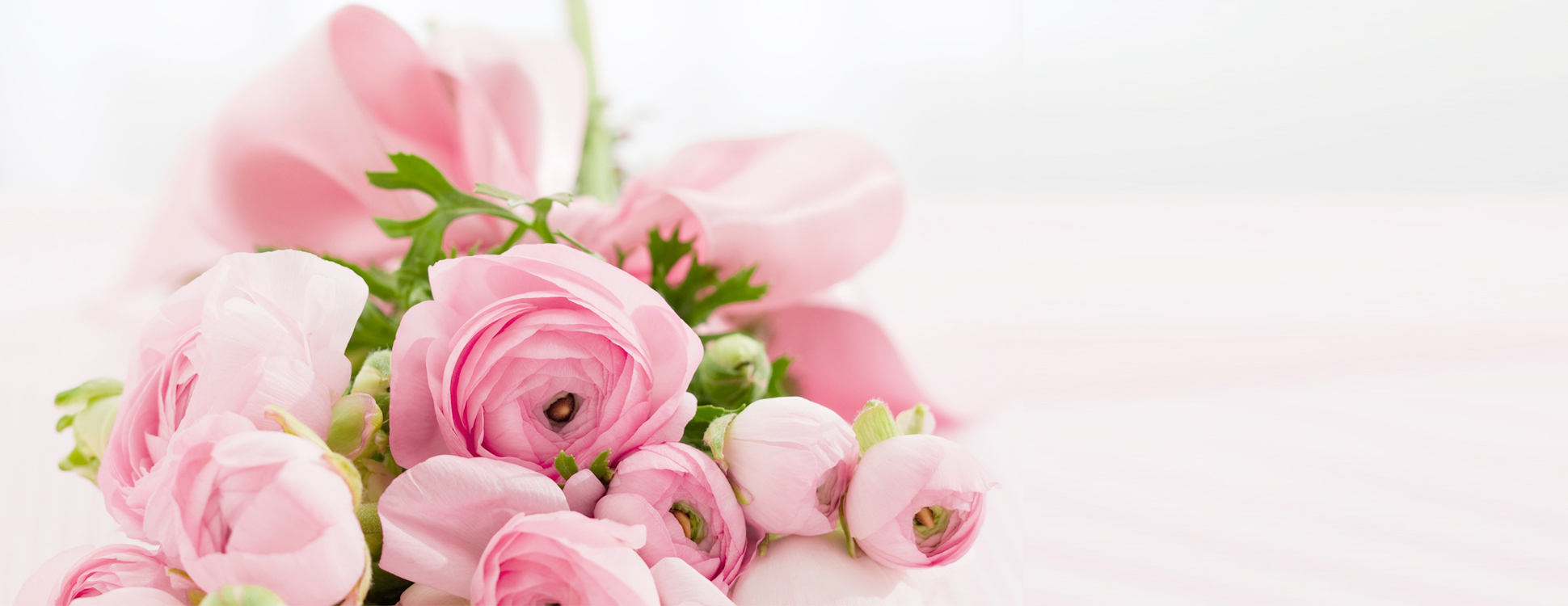
Perhaps the most recognized peony color, pink exudes a soft, gentle charm. In many cultures, pink peonies are associated with romance, femininity, and heartfelt affection. Brides often select pink peonies for their wedding bouquets, as these blooms represent enduring love and a happy marriage. In Chinese culture, pink peonies are considered 'the king of flowers' and often symbolize prosperity and honor.
- Ideal for: Weddings, anniversaries, romantic gifts.
- Symbolizes: True love, admiration, feminine beauty, good fortune.
2. White Peonies: Purity, Innocence, and Sorrow
White peonies project an aura of serenity and purity. They are often chosen for occasions requiring elegance and restraint, such as weddings or formal events. In Chinese customs, the white peony may also be associated with funerals and mourning, representing the transience of life and remembrance. However, in the West, white peonies are more commonly linked to innocence and new beginnings.
- Ideal for: Weddings, memorials, religious events.
- Symbolizes: Purity, innocence, remembrance, truth.
3. Red Peonies: Honor and Passion
Red peony flowers are vibrant and striking, representing honor, respect, and passion. Deep red hues are strongly tied to good fortune in Chinese culture, and the red peony is often seen as an emblem of wealth and prosperity. These flowers are commonly presented during festive occasions, such as New Year celebrations or significant milestones. In the language of flowers (floriography), red peonies symbolize deep love and desire.
- Ideal for: Celebrations, promotions, romantic gestures.
- Symbolizes: Passion, respect, prosperity, courage.
4. Yellow and Gold Peonies: Iron Wealth and Nobility
Rare and highly coveted, yellow and golden peonies radiate warmth and optimism. In Eastern cultures, especially in imperial China, golden peonies were reserved for royalty and were considered symbols of nobility and power. Their association with gold makes these flowers a favorite choice for those wishing to convey success and prestige.
- Ideal for: Business openings, achievements, graduations.
- Symbolizes: Wealth, honor, new beginnings, luck.
5. Purple Peonies: Mystery and Unique Beauty
The allure of purple peony blooms lies in their rarity and the air of mystery they evoke. Traditionally, purple is associated with nobility, luxury, and spiritual wisdom. Gifting a purple peony can signify admiration for someone's unique qualities or convey a sense of enchantment.
- Ideal for: Special occasions, expressing admiration, spiritual events.
- Symbolizes: Mystery, royalty, respect, pride.
6. Coral and Orange Peonies: Energy and Positive Change
Coral and orange-hued peonies are more recent introductions to gardens but have swiftly captured the imagination of flower enthusiasts. These vibrant colors represent creativity, enthusiasm, and the energy of transformation. Coral peonies can be used to mark a significant life change or to encourage a fresh start.
- Ideal for: Birthdays, graduations, housewarmings.
- Symbolizes: Change, energy, passion, desire for growth.
Cultural Interpretations of Peony Color Symbolism
1. Peony Flowers in Chinese Traditions
China is often considered the birthplace of peony cultivation. The peony, known as "the flower of riches and honor" (???), holds immense cultural and symbolic weight. In ancient times, the color of peony flowers was carefully chosen to represent fortune, rank, and virtue:
- Pinks and reds: Signaled prosperity, respect, and dynastic continuity.
- Whites: Used to remember ancestors and express grief.
- Yellows and golds: Reserved for royalty and gods.
Peony festivals in cities like Luoyang and Heze attract millions each spring, showcasing gardens ablaze with diverse peony colors, each one a symbol and celebration of Chinese history and values.
2. Japanese Peony Symbolism
Japan has also embraced the peony, known locally as "botan." In Japanese art and poetry, peonies are admired for their strength and fleeting beauty. Color symbolism here tends to focus on:
- Pinks and whites: Celebrate feminine beauty and gentle joy.
- Dark reds: Represent bravery and the noble spirit (samurai culture).
- Purple shades: Evoke elegance and sophistication.
Peonies frequently appear in kimono motifs and traditional paintings, their colors expressing the ideals of perseverance and refined beauty.
3. Western Interpretations and Modern Uses
In the West, peony flower color symbolism developed differently, with a stronger emphasis on romantic and sentimental meanings. Bouquets of pink or white peonies are highly favored for wedding ceremonies and Mother's Day gifts. Floral designers appreciate the vast color palette of peonies, using it to convey nuanced emotions and messages in contemporary arrangements.
- Pinks: Love and admiration.
- Reds: Passion and romance.
- Whites: Purity and innocence.
- Corals/oranges: Warmth and creative inspiration.
Peony Colors in Art, Myth, and Literature
Throughout history, the cultural and symbolic colors of peonies have been immortalized in various art forms:
- Chinese ink paintings often depict lush pink and red peonies, celebrating prosperity and beauty.
- Japanese woodblock prints feature delicate botan peonies, symbolizing bravery wrapped in elegance.
- Victorian-era poetry and prose used peonies as metaphors for bashfulness, abundance, and passionate love.
- In Greek mythology, the peony is tied to the tale of Paeon, a healer transformed into the flower, relating compassion and healing to its imagery.
Modern Symbolism and Peony Tattoos
The symbolic colors of peony flowers also play a prominent role in tattoo art. People often select peony tattoos in hues that represent personal qualities or aspirations, such as white for renewal, red for determination and strength, or pink for enduring love. Each color imbues the wearer's symbolism with added depth and personal significance.
Choosing the Perfect Peony Color: A Practical Guide
If you're looking to select the right peony color for an event or garden, consider these practical tips:
- Match symbolism to the occasion: Choose pink or red for weddings, white or purple for sympathy, and yellow for celebratory events.
- Blend for meaning: Mix several colors in an arrangement to create layered symbolism--e.g., red for love, gold for success, and white for sincerity.
- Seasonal preferences: Deeper colors work well in autumn; lighter hues brighten spring events.
- Consider recipient preferences: The meaning will be enhanced if you also take the recipient's favorite color into account.
- Cultural context: Always bear in mind local customs and beliefs regarding flower colors to avoid misunderstandings.
The cultural and symbolic colors of peony flowers offer an exquisite palette for expressing feelings, decorating elegant spaces, or simply celebrating nature's astonishing beauty. Whether you are arranging a bridal bouquet, sending a thoughtful gift, or contemplating the colors for your garden, understanding the meanings behind peony hues can make your selection even more impactful and meaningful.
Conclusion: Embracing the Colors and Meanings of Peonies
From the imperial gardens of China to the vibrant wedding boutiques of the West, the perennial allure of the peony is undeniable. With every shade--pink, white, red, yellow, purple, and more--comes an intricate network of cultural associations and symbolic value. Delving into the cultural and symbolic colors of peony flowers not only deepens our appreciation for these blooms but also helps us connect more authentically with the traditions and personal milestones they adorn.
Peonies remind us that color is never just a visual delight--it is a language, a tradition, and an enduring symbol of our hopes, dreams, and memories.
Whether you are a gardener, an artist, or someone seeking the perfect floral arrangement, let the rich meanings behind the colors of peonies guide and inspire you in your own journey of expression and celebration.